
BUSINESS & ECONOMY
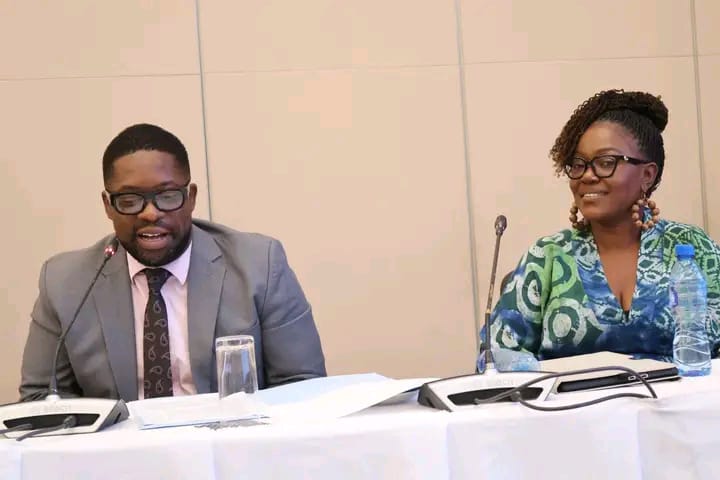
Govt, Partners Validate Framework for Out-of-School Youths
Government and its cooperating partners have validated the Out-of-School Youth Life Skills and Health Education (OSY-LSHE) Framework, aimed at improving access to health information and life skills among young people outside the formal education system.
Ministry of Youth, Sport and Arts Permanent Secretary Kangwa Chileshe said the framework would help address challenges affecting young people, including teenage pregnancy, HIV and other sexually transmitted infections, gender-based violence (GBV), substance abuse and mental health concerns.
Speaking in Lusaka today during the validation meeting, Chileshe said Government would use youth resource centres, community platforms, sports, creative arts and digital platforms to reach more young people with relevant information and services.
He stressed the need for the framework to be practical, inclusive and responsive to the realities of young people, particularly those living in rural and peri-urban communities and those facing social exclusion.
Meanwhile, United Nations Population Fund (UNFPA) Zambia Deputy Representative Anna-Maria Holmström said the framework would provide a coordinated response to the challenges facing out-of-school youths.
Holmström said efforts would also include strengthening digital platforms and improving the tracking of geographical coverage to determine how effectively the programme was reaching young people.
She said the ultimate goal was to ensure that no young person was left behind by 2027.
And economist Faith Ngalasa has called for greater attention to women and young people in development programmes, saying empowerment should begin at household level.
Ngalasa said empowering youths and women with skills and economic opportunities was critical to reducing their vulnerability to challenges such as substance abuse, idleness and lack of skills.
“With every utterance of empowerment and other development agendas, let’s always remember not to leave young people, especially women, behind. It should all start at the household or family level, not up there. This way, both youths and women won’t be exposed to vices like drug abuse, skills gaps and idleness,” Ngalasa said.
She said development programmes should therefore place families and communities at the centre of interventions aimed at empowering young people and women.
Previous article
Zambia, UAE Strengthen Economic Coopera…
Next article
Fuel Hike to Raise Transport Costs, Put…
No comments yet. Be the first to comment!