
BUSINESS & ECONOMY
BREAKING
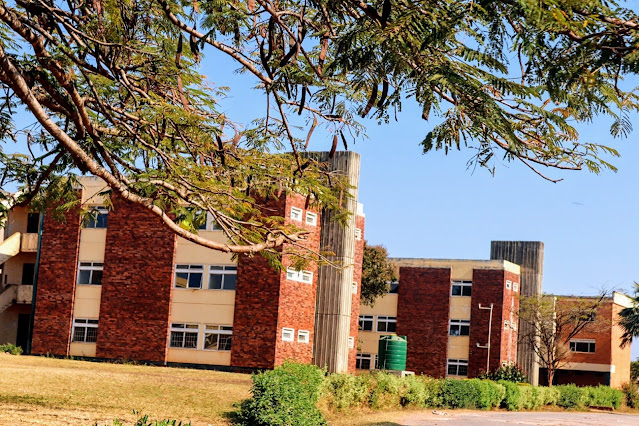
15,000 Households Set to Benefit from NRDC’s 22MW Solar Power Plant
Net metering expert Kangwa Chanda has called for increased public awareness on net metering, urging authorities to embark on nationwide sensitisation campaigns to help citizens understand how they can benefit from feeding excess solar power into the national grid.
Mr Chanda said many Zambians, particularly homeowners and commercial farmers with solar installations, remain unaware of the opportunities offered through net metering, a system that allows consumers to export surplus electricity to the grid in exchange for credits that can offset future power costs.
In an interview with Peza News, he stressed that ZESCO Limited should take deliberate steps to educate the public on the programme and clearly explain its long-term benefits.
“We have private homes and especially farms that have had surplus power for a while now, but they are either uninformed about net metering or just not encouraged to learn it. ZESCO should be deliberate about making it known so that there’s relief on hydropower and those that contribute will have less to pay for when solar energy runs out,” Mr Chanda said.
Meanwhile, government has disclosed that the soon-to-be commissioned Natural Resources Development College 22-megawatt solar power plant is already supplying approximately 18 megawatts of electricity to the national grid.
The US$17.5 million solar project was developed by NRDC in partnership with Kiyona Energy Limited as part of government efforts to diversify energy sources and reduce dependence on hydropower.
The initiative follows a presidential directive encouraging government institutions to install rooftop solar systems and alternative energy solutions to strengthen the country’s energy security.
Government Information and Media Director Henry Kapata said the project created significant employment opportunities during its construction phase.
According to a statement issued by Mr Kapata, about 150 people were employed during construction, while 25 workers have been retained to oversee operations and maintenance of the facility.
“Twenty-five people have been retained on the plant for operation and maintenance works from a total of 150 that were employed during its construction stage. On average, the plant is able to feed about 15,000 households, and from the 22MW, 2MW will be dedicated to NRDC,” the statement read.
And Peter Sakala revealed that the solar facility has already injected approximately six gigawatt-hours of electricity into the national grid.
Speaking during a site tour organised by the Presidential Delivery Unit, Mr Sakala explained that the project consists of 35,420 solar panels, each rated at 650 watts, producing a combined direct current output of 23.023 megawatts.
“The architecture is that we start with the solar panels, move into the inverters and then into transformers where the voltage is stepped up for transmission into the grid. The generation voltage is 0.8 kilovolts and we step it up to 11 kilovolts for transmission. With 35,420 solar panels rated at 650 watts each, we generate 23.023 megawatts in direct current, which converts to 22 megawatts of alternating current that is currently being injected into the grid,” Mr Sakala said.
The project is expected to play a significant role in improving Zambia’s energy supply while supporting the country’s transition towards renewable energy and enhanced electricity reliability.
Photo_Credit: courses offered site
Previous article
Mansa Council Cracks Down on Illegal Li…
Next article
Wings of Hope Has Supported Over 500 Vu…
No comments yet. Be the first to comment!