
BUSINESS & ECONOMY
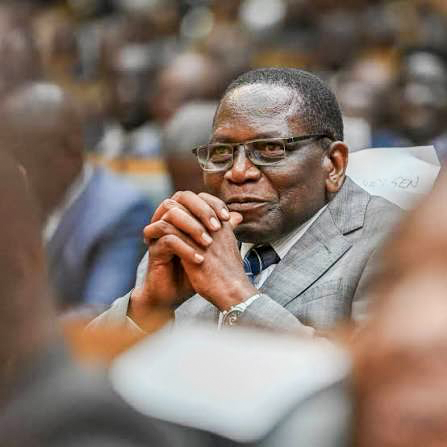
Zambia Moves to Protect Mineral Wealth from Financial Crime
Zambia is stepping up efforts to stop criminals from siphoning money out of the country’s economy and mineral sector, with Government and the private sector joining forces to fight financial crimes.
The new Public-Private Partnership in Anti-Money Laundering, Countering the Financing of Terrorism and Counter-Proliferation Financing (AML/CFT/CPF) is expected to improve information sharing, identify financial risks early and strengthen the response to criminals seeking to exploit Zambia’s financial and mineral systems.
Attorney General and Chairperson of the Anti-Money Laundering Authority, Mulilo Dimas Kabesha SC, said Zambia’s growing role in the global critical-minerals industry could bring more jobs, investment and business opportunities to the country.
But he warned that these benefits could easily be lost if criminals are allowed to move money illegally, hide proceeds from crime or deprive the country of revenue that could otherwise be used for development.
Speaking during a Public-Private Sector Dialogue in Lusaka, Mr Kabesha said financial criminals were becoming more sophisticated and were increasingly using technology, including artificial intelligence, to move and hide illicit funds across borders.
“Fraudsters, money launderers and cyber criminals are using new technologies, including artificial intelligence, to move and conceal illicit funds across jurisdictions. This reality requires government institutions, businesses and international partners to work together,” he said.
Mr Kabesha said protecting Zambia’s mineral wealth could not be left to Government alone.
He explained that while Government agencies have the responsibility to regulate, investigate and formulate policies, businesses operating within the mineral value chain often have information that can help identify suspicious activities.
Mining companies, banks, auditors, lawyers, logistics firms, commodity traders and technology companies, he said, can provide important insights into emerging risks.
“This clearly indicates the need for cooperation with every relevant institution,” Mr Kabesha said.
He said stronger cooperation would help ensure that the money generated from Zambia’s mineral resources stays within the legitimate economy and contributes to jobs, incomes, public services and national development.
Mr Kabesha also challenged businesses to take greater responsibility by strengthening compliance systems, improving transparency and reporting suspicious transactions.
He said the fight against financial crime was largely a battle for information because different institutions often hold different pieces of information needed to uncover illegal financial activity.
The partnership is therefore expected to help authorities and businesses bring this information together and turn it into actionable intelligence, allowing suspicious activities to be detected and addressed earlier.
Mr Kabesha identified three key priorities: faster information sharing, turning information into actionable intelligence, and coordinated action to protect Zambia’s economy and mineral wealth from criminal exploitation.
The two-day dialogue has brought together stakeholders from Zambia and international delegates from Liberia, Zimbabwe, South Africa, the United States and the European Union.
Previous article
Barbra Banda Earns Third Ballon d’Or No…
Next article
Musokotwane Sets Export-Led Growth, Job…
No comments yet. Be the first to comment!